VILLAHÁN

Video

Play Video

Audios

Iglesia de San Andrés, Villahán

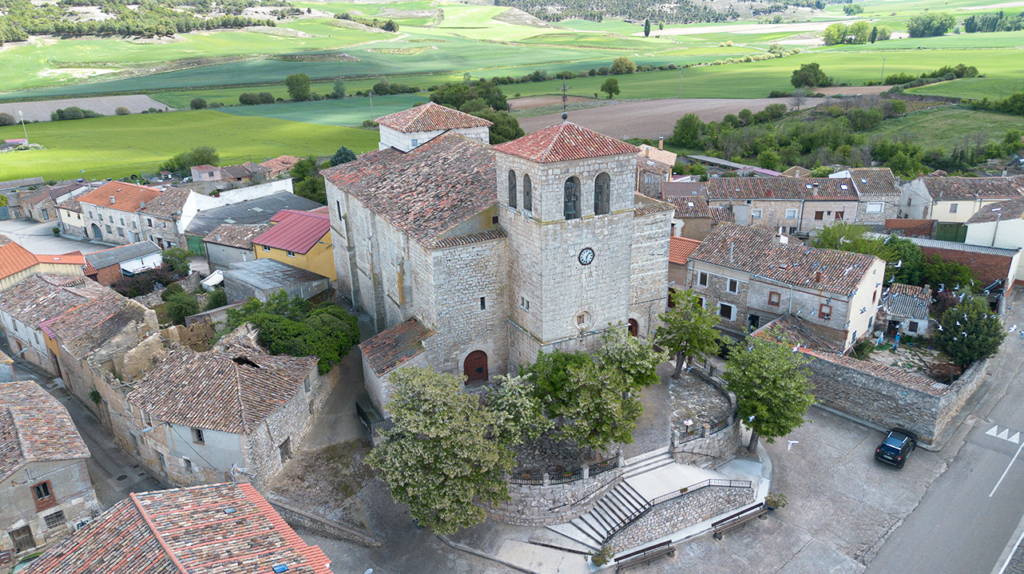
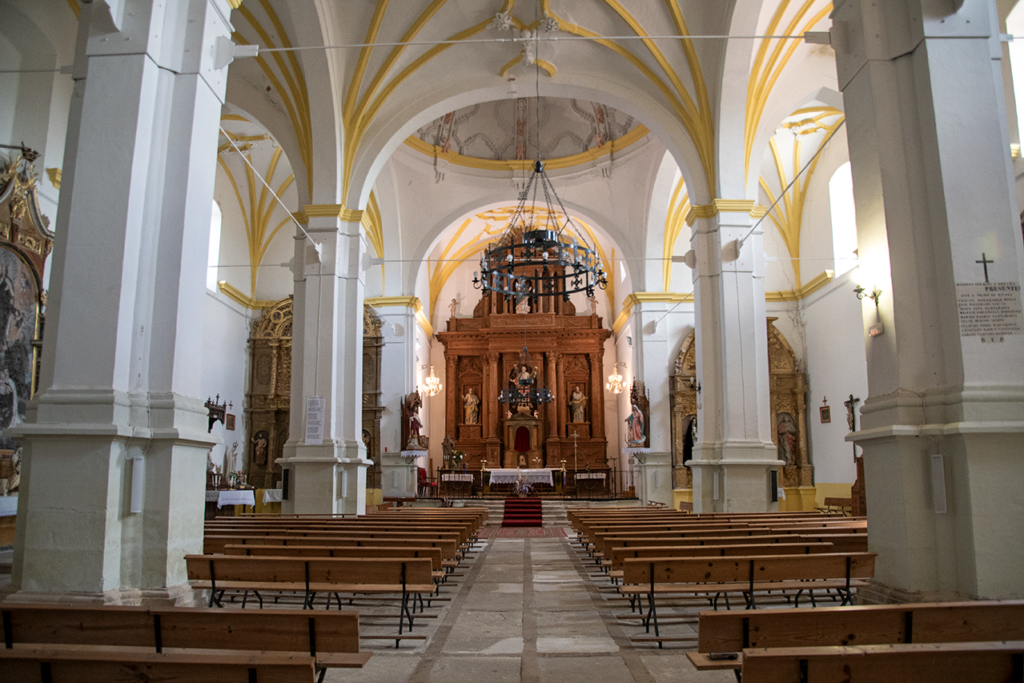
The Church of St. Andrew is a Baroque church built on the site of an earlier 13th-century structure. Its construction spanned almost two centuries, from the 16th to the 18th century, resulting in a spacious building of considerable artistic richness, reflecting its long history. It has three naves separated by pillars and covered with ribbed vaults. At the west end of the church stands a three-section tower, whilst the main entrance is situated on the Epistle side. Inside, numerous altarpieces are preserved, reflecting the building’s artistic evolution. Two stand out in the Gospel nave: one from the late 18th century, featuring a large painting of la Virgen del Carmen, or Our Lady of Mount Carmel, and sculptures of Saint Joseph and Saint Anthony; and another Baroque piece from the mid-17th century, with images of Saint Paul and the Risen Christ. The high altar is presided over by a late 18th-century Neoclassical altarpiece, featuring sculptures of Saint Paul, Saint Peter, Saint Andrew and the Assumption. The Epistle nave houses two further altarpieces: a late 18th-century Rococo piece, presided over by a Crucifix, and a Neoclassical piece from the same period, featuring a monumental painting of the Souls in Purgatory (las Ánimas, in Spanish). Without a doubt, however, the most outstanding piece in the collection is the Gothic carving of the Virgin and Child, dating from the 13th century, considered the church’s most valuable work due to its age, artistic quality and profound devotional significance.

360 Tour

Photo Gallery

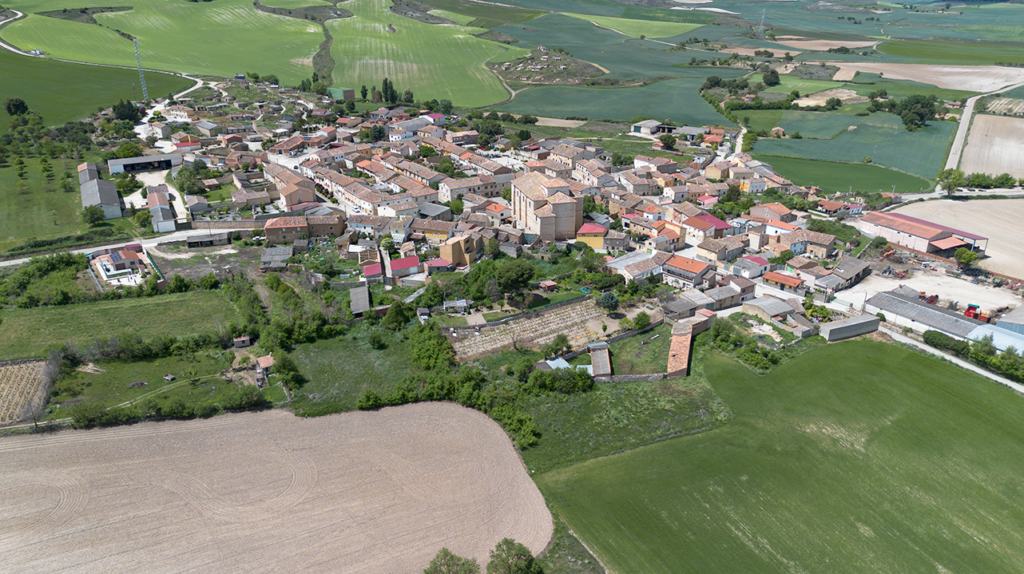
Panorámica aérea de Villahán. La iglesia destaca por su altura con respecto al resto de edificaciones.
Panorámica aéra de la iglesia de San Andrés de Villahán. frente a ella se extiende una plaza con una escalinata doble para salvar el desnivel.
Nave central de la iglesia de San Andrés de Villahán. Al fondo el retablo mayor, presidido por la escultura de San Andrés sosteniendo la cruz en aspa.
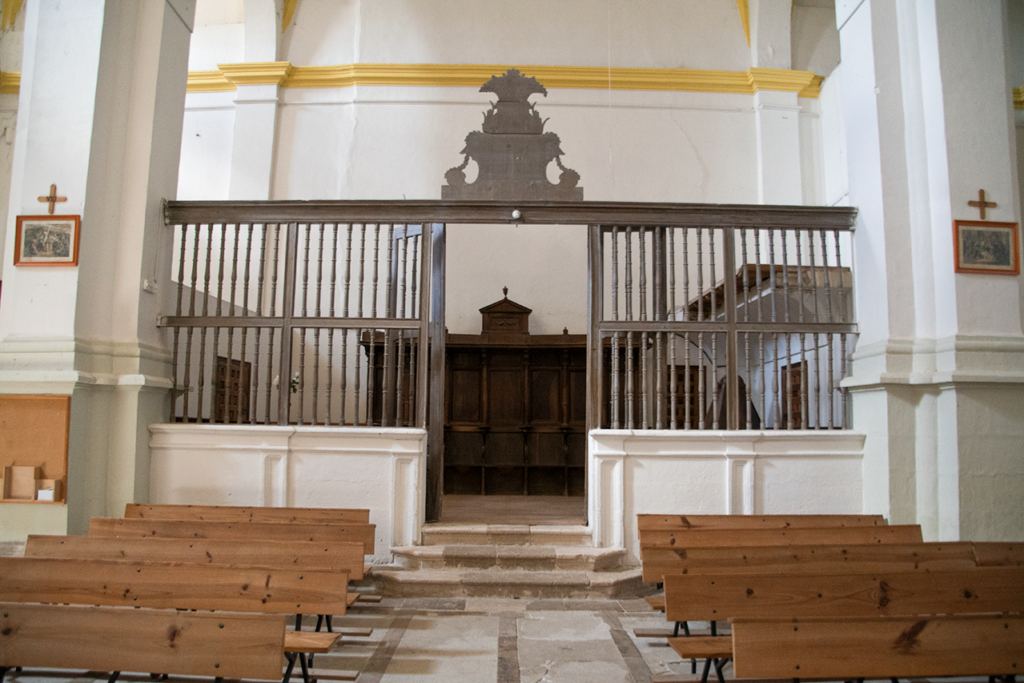
Coro de la iglesia de de San Andrés de Villahán, a los pies de la nave central y separado de ésta por una sencilla rejería de bronce.
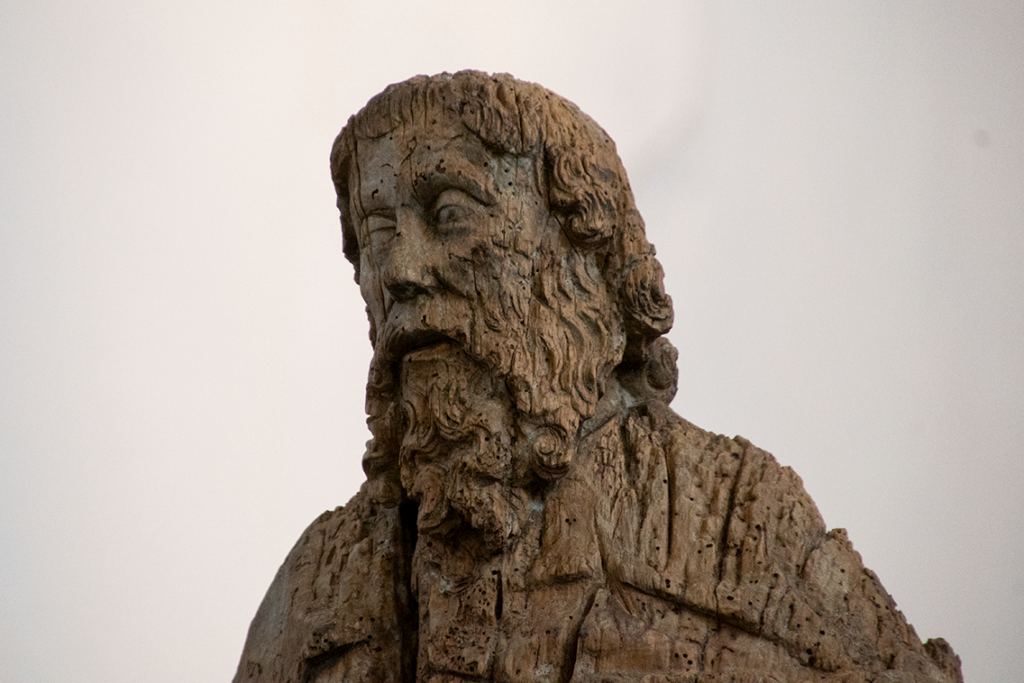
Detalle del rostro de una escultura tardogótica de un santo barbado indeterminado. Está realizada en madera, muy afectada por las termitas y no conserva policromía.
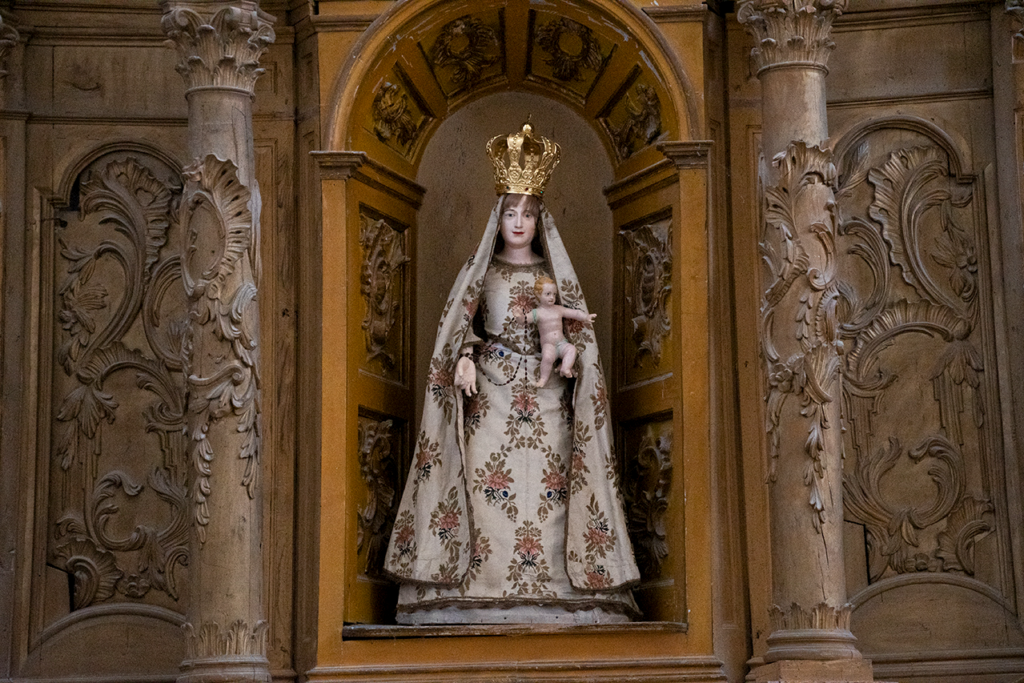
Detalle de una virgen de vestr acompañada del niño Jesús, que sostiene un rosario.
Panorámica aérea de Villahán. La iglesia destaca por su altura con respecto al resto de edificaciones.
Panorámica aéra de la iglesia de San Andrés de Villahán. frente a ella se extiende una plaza con una escalinata doble para salvar el desnivel.
Nave central de la iglesia de San Andrés de Villahán. Al fondo el retablo mayor, presidido por la escultura de San Andrés sosteniendo la cruz en aspa.
Coro de la iglesia de de San Andrés de Villahán, a los pies de la nave central y separado de ésta por una sencilla rejería de bronce.
Detalle del rostro de una escultura tardogótica de un santo barbado indeterminado. Está realizada en madera, muy afectada por las termitas y no conserva policromía.
Detalle de una virgen de vestr acompañada del niño Jesús, que sostiene un rosario.

Location