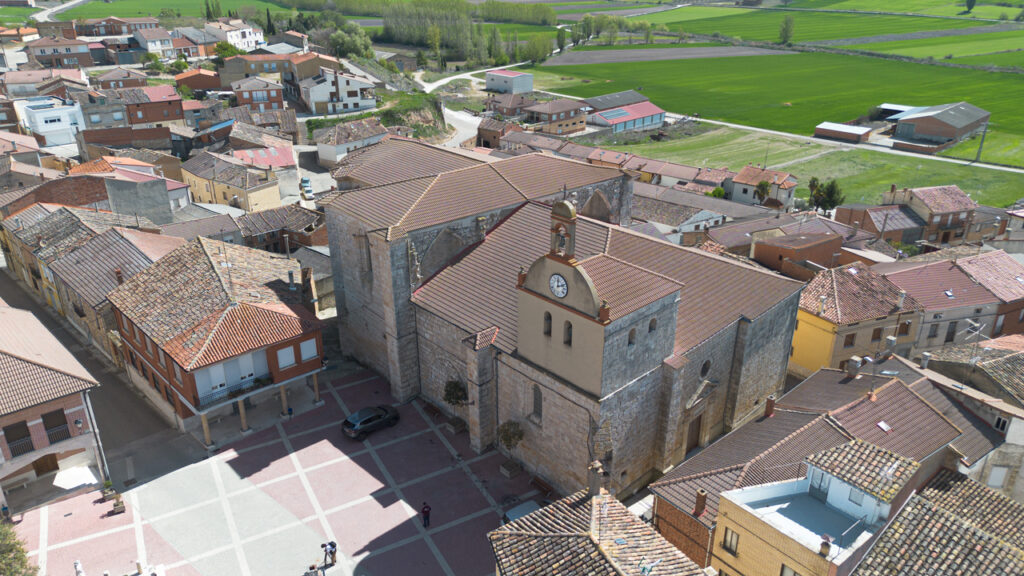
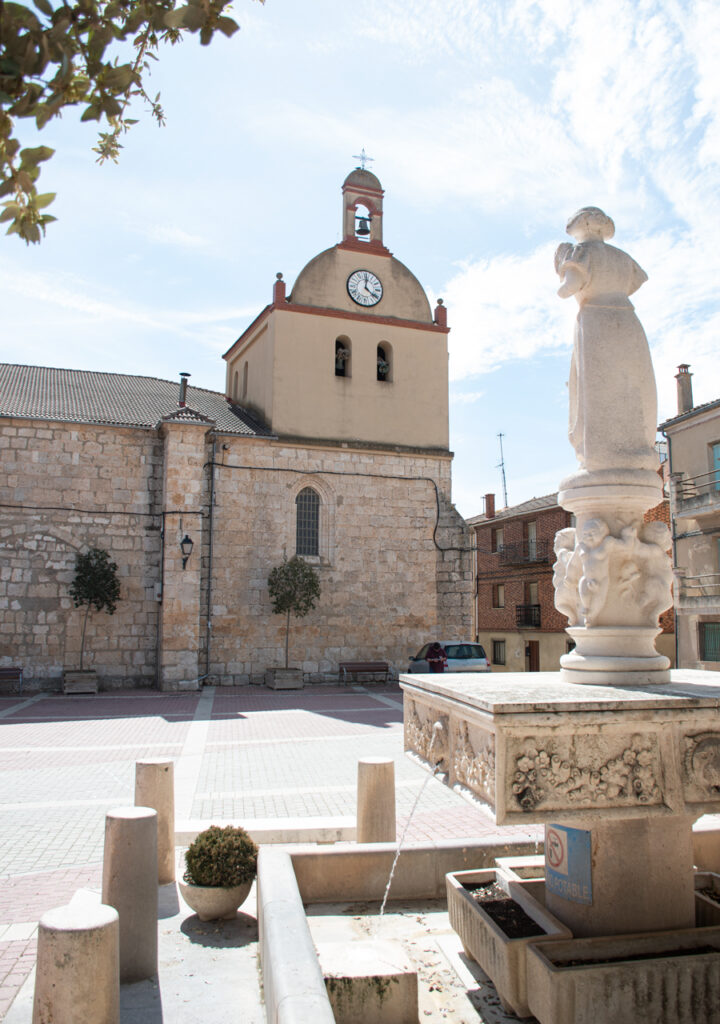
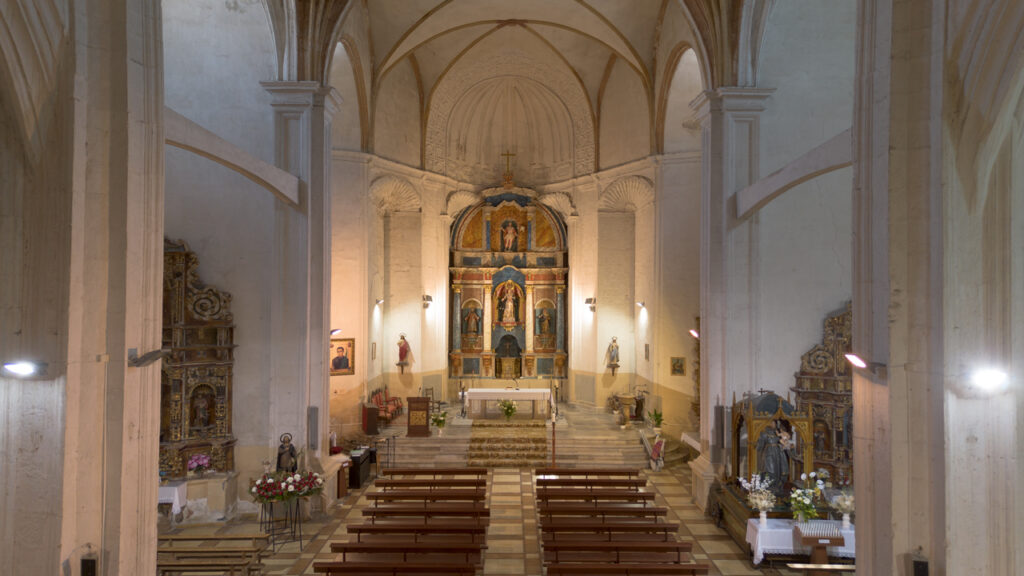
The Church of Our Lady of the Assumption was built between the 16th and early 17th centuries, possibly on the site of an earlier Romanesque structure. It is a Renaissance church with a rectangular floor plan, comprising three naves and a chevet in three sections. The ashlar walls and buttresses reinforce its sturdy construction, and the austere tower is no taller than the transept.
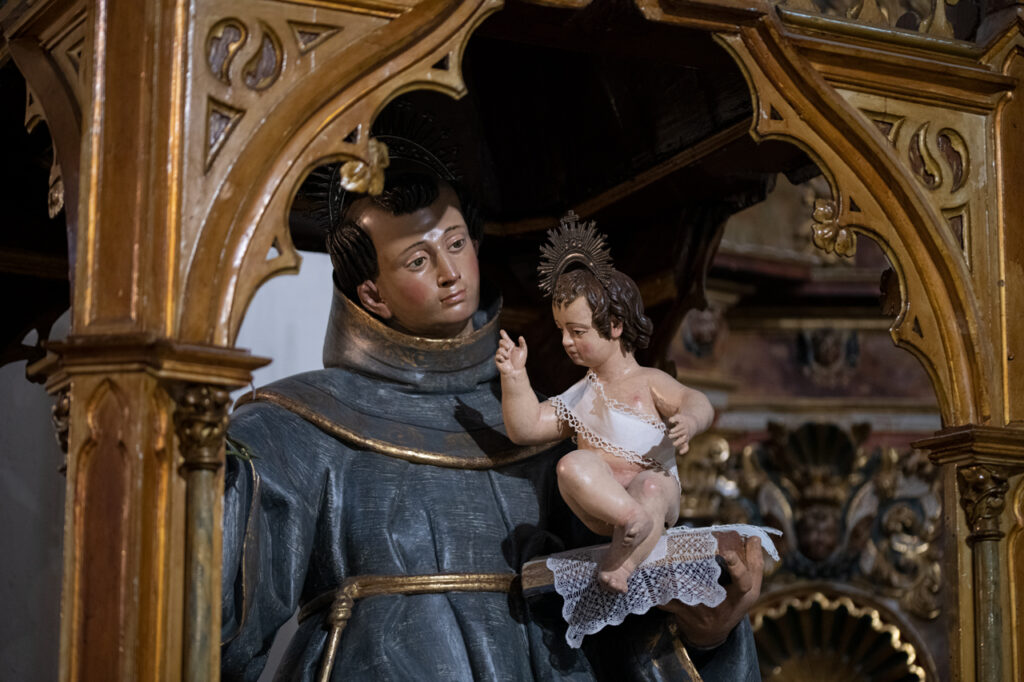
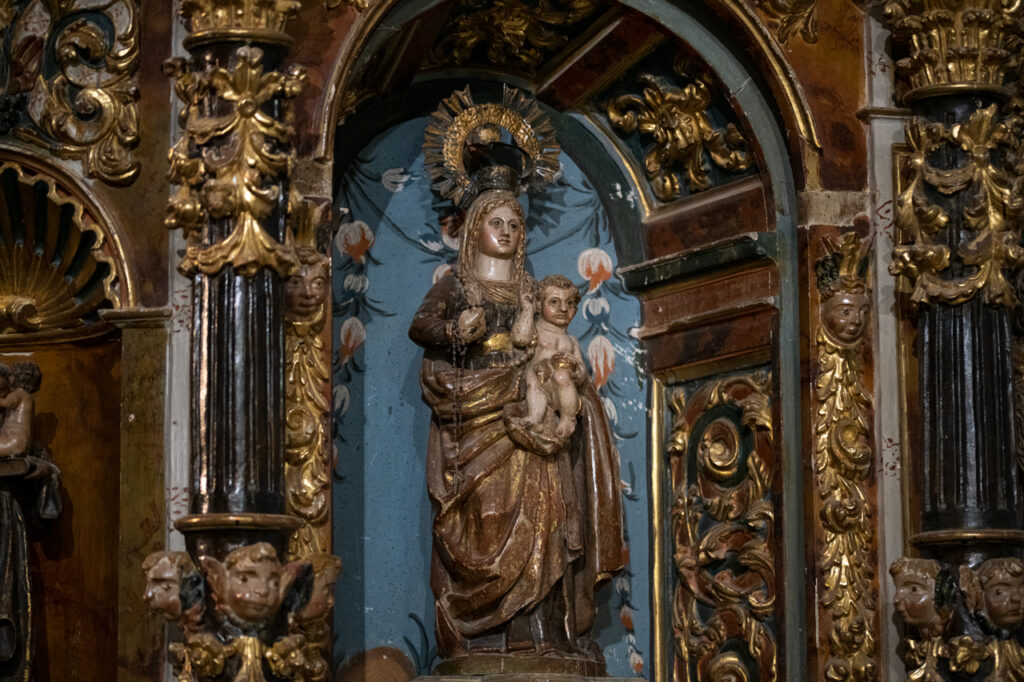
Inside, highlights include a Crucifix attributed to Juan de Juni; a statue of Saint Anthony of Padua by the outstanding 17th-century sculptor Francisco Alonso de los Ríos; and several altarpieces from the 16th and 17th centuries, such as the one in the Gospel aisle, where the influence of Francisco de Praves, one of the last great figures of Renaissance classicism, is evident.