BALTANÁS

Video

Play Video

Audios

Iglesia de San Millán, Baltanás

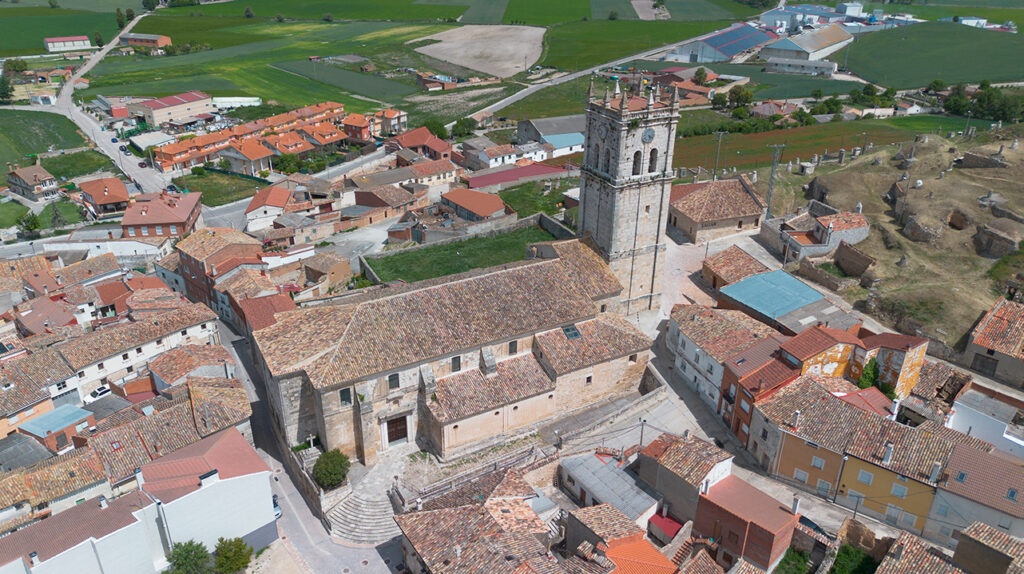
The church was built over the course of the entire 16th century, which explains the presence of different phases and architectural features. The oldest elements date from the early 16th-century, in Late Gothic style, and can be seen in the pillars and in the central and Gospel naves. It has a hall-type floor plan, organised into three naves separated by clustered columns, from which ribbed vaults rise to cover the interior of the building, with the central nave being taller than the side naves. The Epistle nave and the chevet were completed later, and feature a more advanced design, possibly attributed to the architect Alonso de Tolosa. In the chevet, attached to the wall on the Epistle side, stands the bell tower. It consists of three sections and was built in the early 17th century, marking the completion of the building’s construction. The top section of the tower is notable for its rich decoration, which reinforces its role as a significant architectural feature within the church and the town as a whole. Inside, the church still has altarpieces, religious sculptures and other artistic elements that reflect its long history of liturgical use and the importance of the parish church in the religious life of Baltanás.

Barrio de bodegas, Baltanás

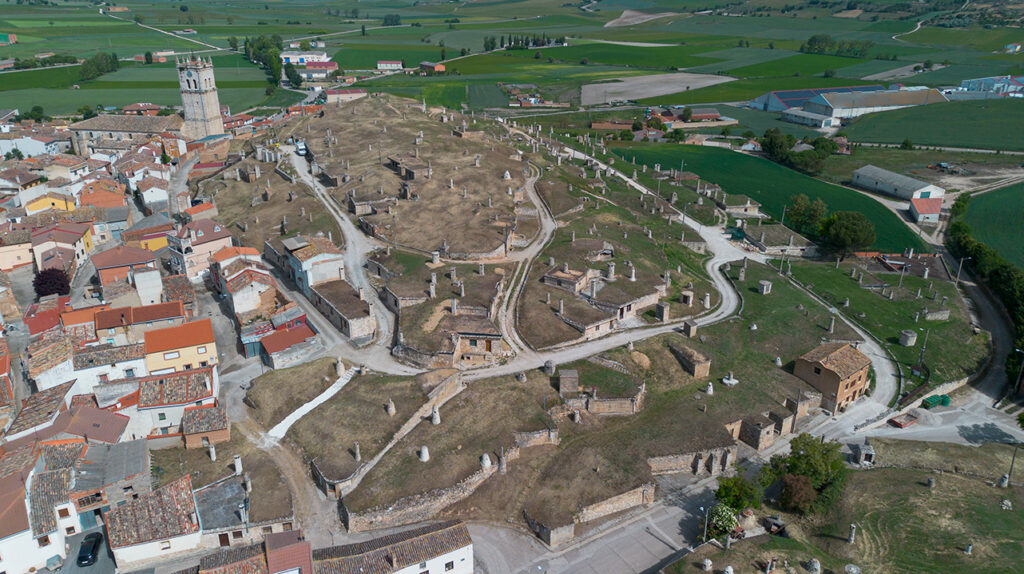
On the outskirts of the town centre of Baltanás, on the slopes of the hill known as El Castillo, there is a veritable labyrinth carved into the earth: three hundred and seventy-four wine cellars dug into the ground at varying depths, forming a unique landscape that tells a story of wine, hard work and tradition. There is another area, known as Las Erillas, comprising sixty-nine wine cellars. Work began on these cellars in 1543, taking advantage of the clay soil, which is ideal for creating spaces that stand the test of time. Underground, the temperature and humidity remain constant throughout the year, providing perfect conditions for making and storing wine. Consequently, every staircase leading down into the cellars opens onto vaulted galleries where vats, wine presses and grape-harvesting tools once stood. Outside, small chimneys, vents and loading chutes protrude from the hillside, giving the area an almost lunar appearance. These conduits provided ventilation for the cellars and allowed the gases from fermentation to be released, an ingenious system born of centuries of experience. For generations, the cellars were much more than just workspaces: they were also places for people to meet, celebrate and pass on knowledge. Today, this excavated district is a valuable cultural heritage site, protected as a Site of Cultural Interest since 2016, and a symbol of the deep connection between Baltanás, its landscape and the culture of wine.

360 Tour

3D Model

Photo Gallery

Panorámica aérea de la iglesia de San Millán de Baltanás, que se alza en la ladera de la colina que aloja al barrio de bodegas.
Panorámica aérea del barrio de bodegas de Baltanás. Al fondo la torre de la iglesia de San Millán.
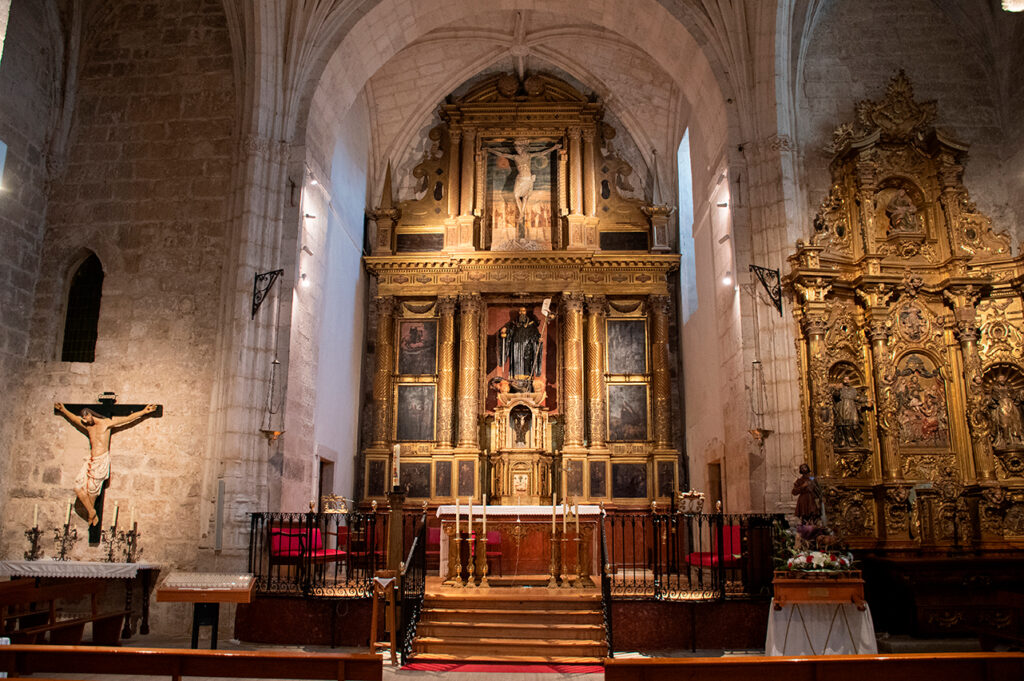
Retablo mayor de la iglesia de San Millán de Baltanás. Se componen fundamenalmente de tablas pintadas al óleo, con la excepción de la talla titular y el Cristo crucifivado del atrio.
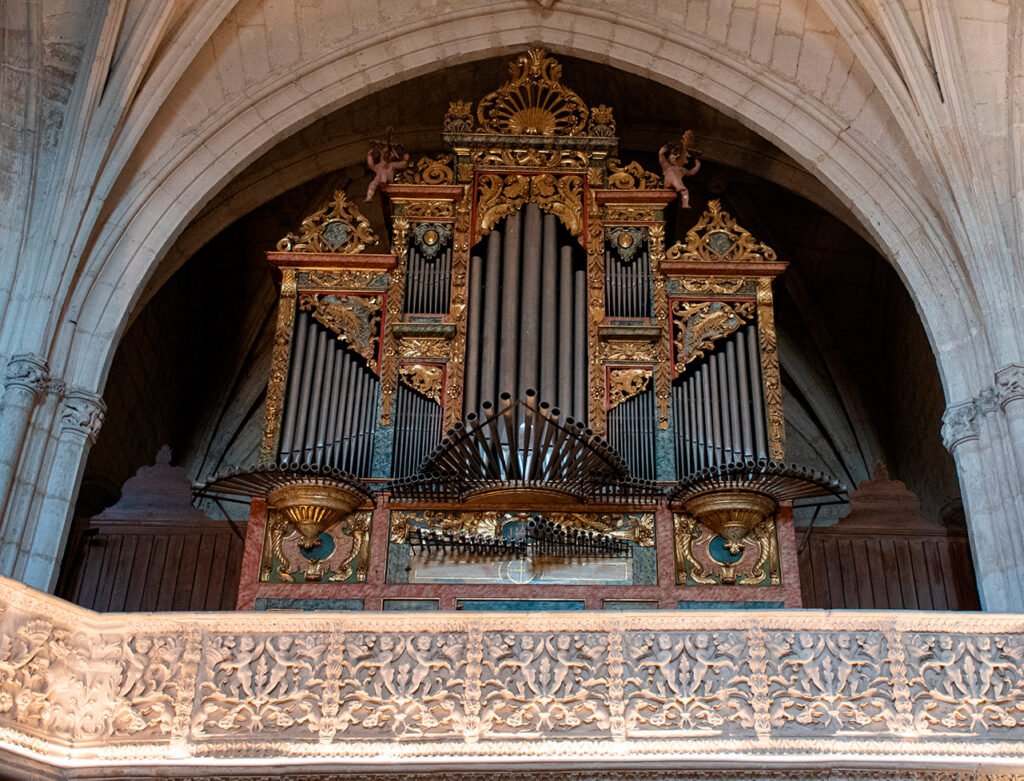
Órgano de la iglesia de San Millán de Baltanas, ricamente decorado, destacando unos querubines en las esquinas.
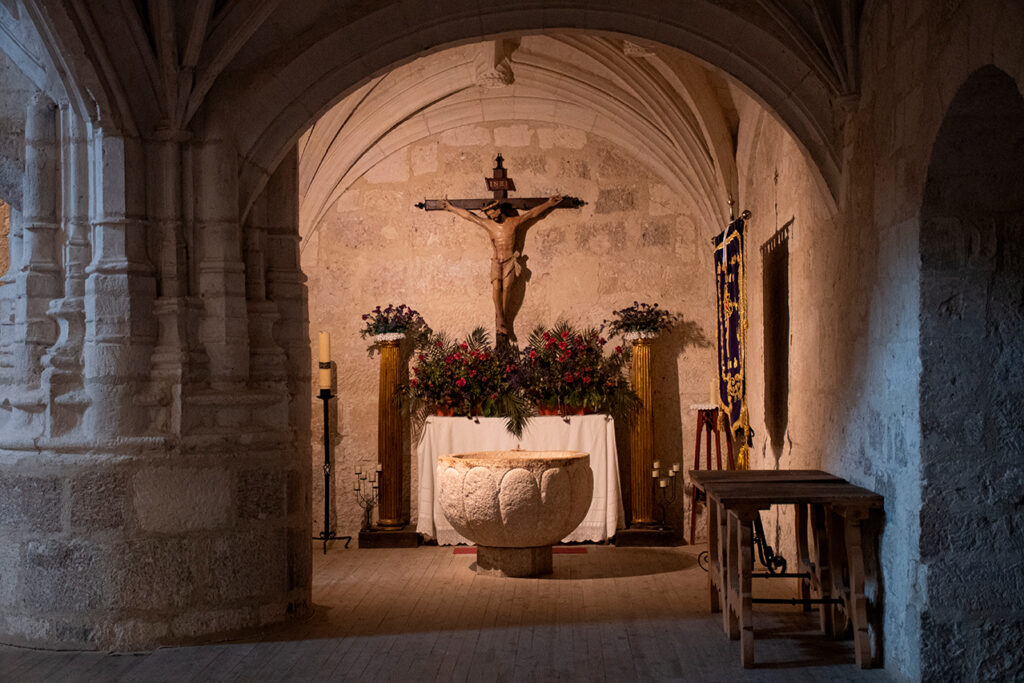
Pila bautismal románica de la iglesia de San Millán de Baltanás. Al fondo en la pared, un Cristo Crucificado.
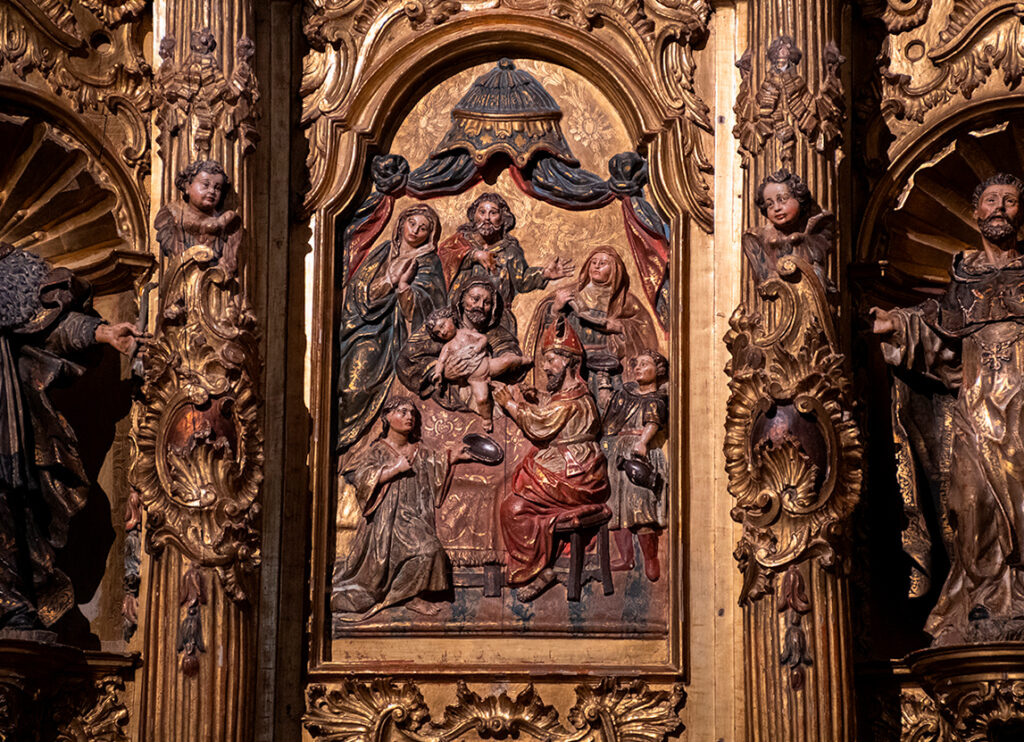
Relieve en madera policromada que reproduce la presentación del Niño Jesús en el Templo. Es un detalle del retablo mayor de la iglesia de San Millán de Baltanás.
Panorámica aérea de la iglesia de San Millán de Baltanás, que se alza en la ladera de la colina que aloja al barrio de bodegas.
Panorámica aérea del barrio de bodegas de Baltanás. Al fondo la torre de la iglesia de San Millán.
Retablo mayor de la iglesia de San Millán de Baltanás. Se componen fundamenalmente de tablas pintadas al óleo, con la excepción de la talla titular y el Cristo crucifivado del atrio.
Órgano de la iglesia de San Millán de Baltanas, ricamente decorado, destacando unos querubines en las esquinas.
Pila bautismal románica de la iglesia de San Millán de Baltanás. Al fondo en la pared, un Cristo Crucificado.
Relieve en madera policromada que reproduce la presentación del Niño Jesús en el Templo. Es un detalle del retablo mayor de la iglesia de San Millán de Baltanás.

Location